Introduction: Setting the Media Context
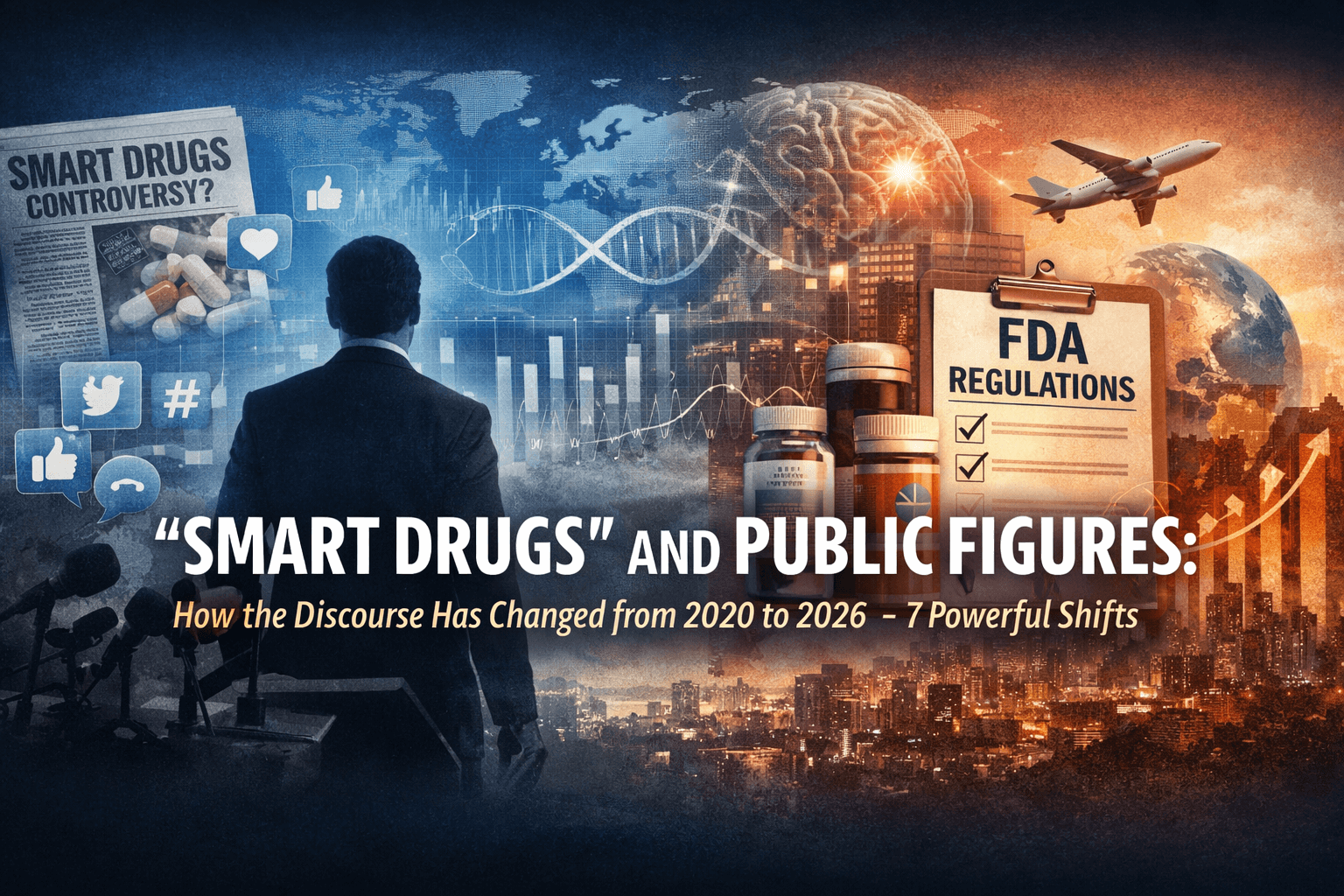
Smart drugs, a colloquial term often used to describe cognitive enhancers and nootropics, have undergone a significant shift in how they are discussed in mainstream media. Between 2020 and 2026, the conversation surrounding smart drugs and public figures changed in tone, scope, and responsibility. Rather than focusing on individual behavior or unverified claims, media outlets increasingly adopted an analytical, evidence-based approach.
At the start of the decade, smart drugs were frequently framed as controversial shortcuts. However, as global productivity pressures increased and wellness narratives broadened, coverage matured. Journalists became more cautious, regulators more vocal, and audiences more discerning. Importantly, public figures were no longer treated as case studies but as cultural reference points.
Provides a media analysis, not speculation about personalities. It examines how discourse evolved, why it matters, and what it signals about public understanding of smart drugs today.
Shift 1: From Fringe to Front Page
Between 2020 and 2022, smart drugs transitioned from niche blogs to mainstream outlets. Early coverage often emphasized novelty. Headlines leaned on sensational language, which drove clicks but limited nuance. Over time, that changed.
Terminology Evolution
Media gradually standardized terminology. Rather than vague labels, journalists distinguished between prescription medications, supplements, and experimental compounds. This clarity reduced confusion and improved public literacy.
Role of Social Media
Social platforms accelerated visibility. However, reputable media began counterbalancing viral claims with expert commentary. As a result, smart drugs were framed less as miracles and more as subjects of ongoing research.
Shift 2: Public Figures as Symbols, Not Subjects
One of the most notable changes involved how public figures were referenced. Instead of focusing on alleged personal use, coverage used them symbolically to discuss broader trends.
Ethics of Coverage
Editorial standards tightened. Outlets recognized the risks of speculation and shifted toward contextual analysis. This approach aligned with professional ethics and reduced misinformation.
Avoiding Speculation
Articles increasingly included disclaimers and avoided drawing conclusions about individual behavior. The focus stayed on cultural impact, not personal choices.
Shift 3: Normalization in Productivity Culture
By 2023, smart drugs were often discussed alongside productivity tools like wearables and time-management apps. This reframing placed cognitive enhancement within a broader efficiency narrative.
Tech and Entrepreneurship Media
Business publications played a key role. They explored why interest in smart drugs grew, without endorsing use. Balanced reporting became the norm, emphasizing risks and uncertainties.
Shift 4: Regulatory Voices Enter the Conversation
As attention grew, regulators and health authorities became more visible in media narratives. Their inclusion added credibility and balance.
Health Authorities
Organizations such as the U.S. Food and Drug Administration provided public guidance, often cited by journalists to ground discussions in verified information. For reference, see the FDA’s general resource on cognitive health and supplements: https://www.fda.gov/food/dietary-supplements.
Shift 5: From Enhancement to Wellness
Another major change involved framing. Smart drugs were no longer discussed solely in terms of enhancement. Media connected them to mental health, sleep, and aging.
Lifestyle Media Influence
Lifestyle outlets expanded the audience. They used accessible language, making the topic less intimidating while still emphasizing caution.
Shift 6: Data-Driven Reporting
From 2024 onward, data took center stage. Journalists cited longitudinal studies and meta-analyses rather than anecdotes.
Longitudinal Studies
This approach improved trust. Readers were encouraged to view smart drugs as an evolving research area, not a settled solution.
Shift 7: Globalization of the Discourse
By 2026, coverage reflected a global perspective. Different regulatory environments and cultural attitudes were compared, enriching the discussion.
FAQ
What are smart drugs in media terms?
Smart drugs refer to substances discussed in media as potentially influencing cognitive performance, without implying endorsement.
Why did coverage change after 2020?
Increased public interest and the spread of misinformation prompted more responsible journalism.
Are public figures endorsing smart drugs?
Media analysis shows they are referenced symbolically, not as endorsers.
How do regulators influence the discourse?
Their statements provide factual grounding and risk context.
Is the discussion the same worldwide?
No, cultural and regulatory differences shape coverage.
What should readers take away?
Media now emphasizes evidence, caution, and context.
Conclusion
From 2020 to 2026, discourse around smart drugs and public figures matured significantly. Sensationalism gave way to structured analysis, and speculation was replaced by context. This evolution reflects broader trends in media responsibility and public expectation. As research continues, this balanced approach is likely to remain.
‼️ Disclaimer: The information provided in this article about modafinil is intended for informational purposes only and is not a substitute for professional medical consultation or recommendations. The author of the article are not responsible for any errors, omissions, or actions based on the information provided.