
Last Updated on 21/04/2026
Living with narcolepsy can be exhausting in ways many people do not fully understand. It is not simply “feeling tired.” For many patients, it means fighting sudden waves of sleepiness during work, classes, conversations, or even while driving.
Because of that, medications that improve wakefulness can make a real difference. One of the most commonly discussed options is modafinil.
Doctors often prescribe modafinil to help reduce excessive daytime sleepiness in people with narcolepsy. Many patients say it helps them stay awake longer, think more clearly, and get through the day with fewer crashes than traditional stimulants.
But does it work for everyone? Not always.
Some people respond very well. Others feel only modest benefits or need different treatment strategies.
In this guide, we’ll look at how modafinil is used for narcolepsy, what dosage is common, what side effects to expect, and when another option may make more sense. [1, 2]
Quick Answer
Yes, modafinil can help many people with narcolepsy stay awake and function better during the day. It is commonly used for excessive daytime sleepiness. However, it does not cure narcolepsy and may not be enough for symptoms like cataplexy. [1]
What Is Narcolepsy?
Narcolepsy is a neurological sleep disorder that affects the brain’s ability to regulate sleep and wakefulness properly.
That means a person may technically sleep at night, but still struggle to stay awake during the day.
Common Symptoms
People with narcolepsy often report:
- overwhelming daytime sleepiness
- sudden sleep attacks
- difficulty focusing
- memory lapses
- brain fog
- low energy
- disrupted nighttime sleep
- sleep paralysis
- vivid dreams
- cataplexy (sudden muscle weakness)
Some symptoms are mild. Others can seriously affect quality of life. [3, 4]
Why Modafinil Is Often Prescribed
For many patients, the biggest daily challenge is staying awake when they need to.
That is where modafinil may help.
It is considered a wakefulness-promoting medication. In practical terms, many users describe it as helping them feel more “switched on” during the day.
Compared with stronger stimulants, modafinil is often seen as smoother and less intense.
Doctors may consider it because it can help with:
- daytime alertness
- work performance
- concentration
- staying awake during meetings or classes
- reducing unintended naps [3, 5]
How Modafinil Feels for Many Users
Everyone reacts differently, but common descriptions include:
- clearer thinking
- less urge to nap
- easier time starting tasks
- more stable energy
- fewer crashes than amphetamine stimulants
Some users feel strong improvement the first week. Others notice only subtle benefits.
That variation is normal.
Recommended Dosage for Narcolepsy
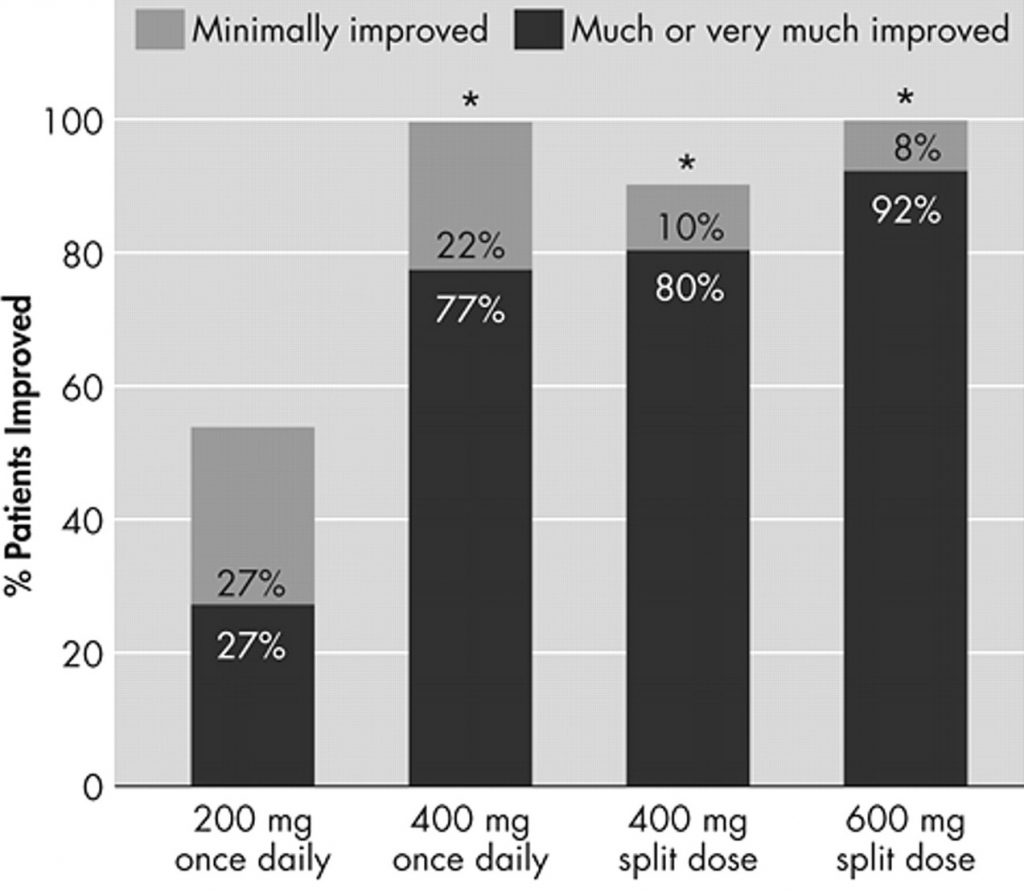
The right dose depends on symptoms, tolerance, body response, and physician guidance. [4, 5]
Typical ranges include:
| Dose | Common Use |
|---|---|
| 100 mg | Lower starting dose |
| 200 mg | Common standard dose |
| 300 mg | Split dosing in some cases |
| 400 mg | Higher end of common range |
Most people take it in the morning.
Some patients find that one morning dose works well. Others prefer a split schedule if sleepiness returns later in the day.
Example:
- 200 mg morning
- 100 mg early afternoon
Late dosing can interfere with sleep, so timing matters. [7, 8]
How Long Does Modafinil Last?
For many people:
- begins working in 30 to 90 minutes
- strongest effects in 2 to 4 hours
- may last 10 to 15 hours
Some people metabolize it faster. Others feel it much longer.
If sleep becomes harder at night, dose timing should be reviewed. [9]
Real Benefits People Often Notice
Better Mornings
Many users say mornings feel less brutal.
Fewer Sleep Crashes
Instead of suddenly fading mid-day, energy can feel more stable.
Improved Focus
Tasks that felt impossible while sleepy may become manageable.
More Independence
Some people feel more confident driving, studying, or working regular hours. [10, 11]
Side Effects to Know About
Like any medication, modafinil is not perfect.
Common side effects may include:
- headache
- nausea
- dry mouth
- reduced appetite
- anxiety
- restlessness
- trouble sleeping
- irritability
Some people tolerate it very well. Others stop because side effects outweigh benefits.
That balance matters. [9]
What Modafinil May Not Fix
This is important.
Modafinil often helps sleepiness, but it may not fully solve:
- cataplexy
- broken nighttime sleep
- emotional fatigue
- severe brain fog in every case
- tolerance over time
Some patients need combination treatment or a different medication entirely. [12]
Modafinil vs Adderall
Many people compare these two.
| Factor | Modafinil | Adderall |
|---|---|---|
| Feel | Smooth alertness | Strong stimulation |
| Crash | Usually lower | Often stronger |
| Abuse Risk | Lower | Higher |
| Focus | Good | Strong |
Some prefer Adderall. Many prefer modafinil because it feels cleaner and more sustainable. [11]
Better Alternatives for Some Patients
If modafinil is not enough, doctors may consider:
Armodafinil
Often described as longer-lasting.
Solriamfetol (Sunosi)
Used for daytime sleepiness.
Pitolisant (Wakix)
Sometimes useful when cataplexy is present.
Oxybate-Based Treatments
Used in more complex narcolepsy cases. [9]
Can Tolerance Happen?
Yes, some users feel modafinil becomes less effective over time.
That does not happen to everyone.
Sometimes the issue is not tolerance, but:
- poor sleep schedule
- stress
- underdosing
- another sleep disorder
- burnout
A medication review may help. [13, 14]
Who Should Be Careful?
Speak with a healthcare professional first if you have [15]:
- heart issues
- high blood pressure
- anxiety problems
- liver disease
- psychiatric history
- pregnancy concerns
- medication interactions
FAQ
Does modafinil cure narcolepsy?
No. It helps manage symptoms.
Is 200 mg common?
Yes, it is a common dose, but not right for everyone.
Can it stop sleep attacks completely?
Sometimes it reduces them, but not always.
Is it better than Adderall?
Depends on the person. Many prefer the smoother effect.
Can I take it every day?
Many patients do under medical supervision.
Conclusion
Modafinil can be genuinely helpful for many people with narcolepsy, especially when excessive daytime sleepiness is the main problem.
It may improve wakefulness, concentration, and day-to-day function without feeling as harsh as traditional stimulants.
But it is not magic. It does not cure narcolepsy, and it is not the best fit for everyone.
For some people, it is life-changing. For others, it is just one step in finding the right treatment plan.
That is why individualized medical guidance matters.
‼️ Disclaimer: The information provided in this article about modafinil is intended for informational purposes only and is not a substitute for professional medical consultation or recommendations. The author of the article are not responsible for any errors, omissions, or actions based on the information provided.
References:
- Eric J. Olson. Narcolepsy. // Mayo Clinic. 2024. https://www.mayoclinic.org/diseases-conditions/narcolepsy/symptoms-causes/syc-20375497/
- U.S. Food and Drug Administration. Provigil (modafinil) Prescribing Information. // FDA. 2023. https://www.accessdata.fda.gov/
- Thorpy M.J., Bogan R.K. Update on the treatment of narcolepsy: clinical efficacy of modafinil. // Nature and Science of Sleep. 2020. https://www.ncbi.nlm.nih.gov/pmc/articles/PMC7273034/
- Scammell T.E. Narcolepsy. // New England Journal of Medicine. 2015. https://www.nejm.org/doi/full/10.1056/NEJMra1500587
- Maski K., Owens J.A. Insufficient sleep and sleep disorders in adolescents: narcolepsy review. // Sleep Medicine Clinics. 2016. https://pubmed.ncbi.nlm.nih.gov/
- Bassetti C.L.A., Adamantidis A., Burdakov D., et al. Narcolepsy – clinical spectrum, diagnosis and treatment. // Nature Reviews Neurology. 2019. https://www.nature.com/articles/s41582-019-0226-9
- Ballon J.S., Feifel D. A systematic review of modafinil: potential clinical uses and mechanisms of action. // Journal of Clinical Psychiatry. 2006. https://pubmed.ncbi.nlm.nih.gov/
- Minzenberg M.J., Carter C.S. Modafinil: a review of neurochemical actions and effects on cognition. // Neuropsychopharmacology. 2008. https://www.nature.com/articles/1301534
- American Academy of Sleep Medicine. Central Disorders of Hypersomnolence Clinical Practice Guideline. // Journal of Clinical Sleep Medicine. 2021. https://aasm.org/
- Thorpy M. Recently approved and upcoming treatments for narcolepsy. // CNS Drugs. 2020. https://pubmed.ncbi.nlm.nih.gov/
- Harvard Medical School Division of Sleep Medicine. Narcolepsy Overview. // Harvard University. 2024. https://sleep.hms.harvard.edu/
- National Institute of Neurological Disorders and Stroke. Narcolepsy Fact Sheet. // NIH. 2024. https://www.ninds.nih.gov/health-information/disorders/narcolepsy
- Dauvilliers Y., Arnulf I., Mignot E. Narcolepsy with cataplexy. // Lancet. 2007. https://pubmed.ncbi.nlm.nih.gov/
- UpToDate Editorial Team. Treatment of narcolepsy in adults. // UpToDate. 2024. https://www.uptodate.com/
- Jennifer S. Mundt, Michael J. Thorpy. Modafinil in the treatment of excessive daytime sleepiness. // Expert Opinion on Pharmacotherapy. 2019. https://pubmed.ncbi.nlm.nih.gov/